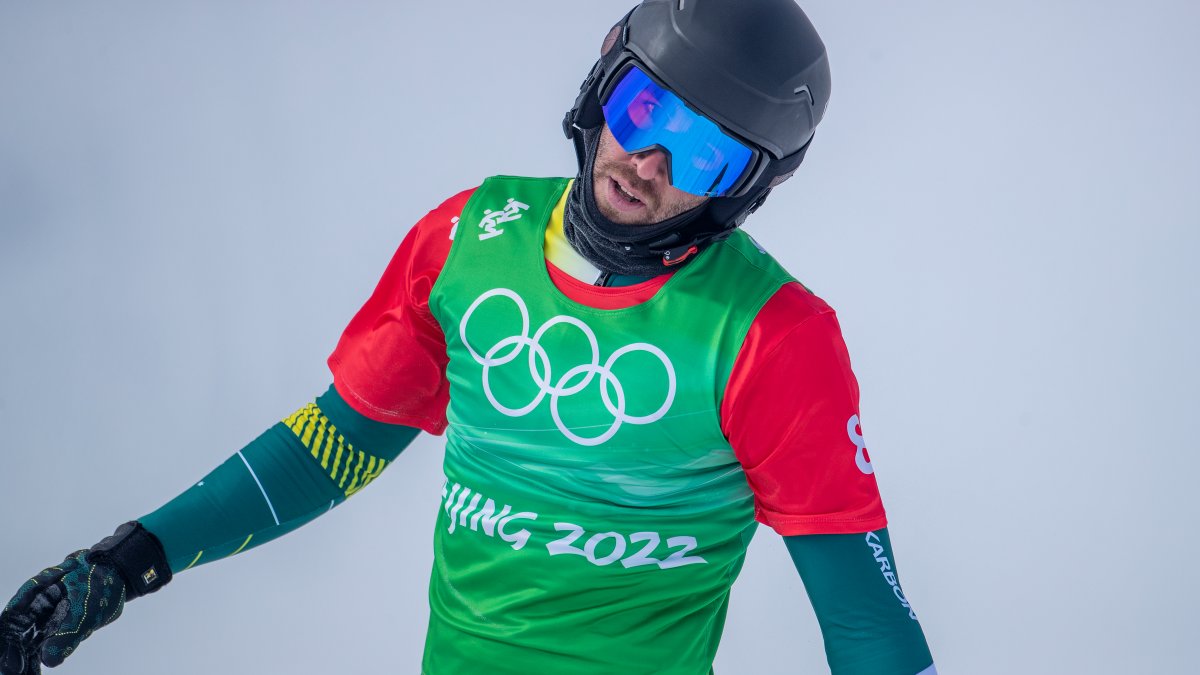
Cam Bolton's Olympic Ordeal: The Deceptive Calm Before a Neck Fracture Diagnosis
The Winter Olympics, a spectacle of human endurance and athletic prowess, often comes with an inherent shadow: the risk of serious injury. While we marvel at gravity-defying tricks and breathtaking speeds, every now and then, a stark reminder of these dangers surfaces. One such incident recently captivated headlines, leaving many to wonder: Who broke their neck in the Olympics? The answer, unfortunately, is Australian snowboard cross veteran Cam Bolton, whose experience at the Milano Cortina Games serves as a critical case study in the deceptive nature of high-impact sports injuries and the paramount importance of vigilant medical follow-up. What makes Bolton’s situation particularly compelling is the delayed diagnosis. In the immediate aftermath of his training crash, he exhibited a resilience that is common among elite athletes, walking away from what appeared to be just another fall. It was only later, as symptoms worsened, that the true, life-altering extent of his injury—two fractured vertebrae in his neck—came to light. This incident not only highlights the brutal physical demands of Olympic-level competition but also underscores the critical need for comprehensive post-incident medical protocols, even when initial signs seem benign.The Incident: A Deceptive Fall in Livigno
The dramatic turn of events for Cam Bolton unfolded on a Monday during a routine snowboard cross training session in Livigno, Italy. A seasoned competitor, Bolton was preparing for his fourth Winter Olympics, bringing a wealth of experience, including a silver medal from the mixed team snowboard cross at last year's world championships. His strong performances at previous Games, notably a 13th-place finish in men’s snowboard cross and ninth in the inaugural mixed team event at Beijing, had cemented his status as a key figure in the Australian team. Despite his extensive experience, the unpredictable nature of snowboard cross caught him. During the training run, Bolton took a nasty fall. In a testament to his toughness and perhaps the adrenaline coursing through his veins, he initially walked away from the crash site. This initial assessment, where an athlete appears uninjured and can self-ambulate, can often mask serious underlying trauma, leading to a false sense of security. The immediate aftermath suggested a standard, albeit impactful, training mishap. However, as the hours passed and the adrenaline receded, a more sinister reality began to emerge, proving that even the toughest athletes are vulnerable to hidden injuries. This initial period of apparent normalcy is a crucial element in understanding the subsequent delayed diagnosis.The Unveiling: Two Fractures and an Urgent Airlift
The crucial turning point in Cam Bolton's ordeal arrived the following day. After the initial "walk away" from the crash, the morning after brought a different story: worsening, unbearable pain in his neck. This escalation of symptoms was the alarm bell that triggered further, more intensive medical investigation. Scans performed at the Olympic Polyclinic confirmed the severe reality: not one, but two neck fractures. This grave diagnosis necessitated immediate and specialized care, leading to Bolton's urgent transfer by helicopter from the mountain to a hospital in Milan for further imaging and assessment. The Australian Olympic Committee (AOC) and Team Chef de Mission, Alisa Camplin, acted swiftly, ensuring Bolton was not only receiving top-tier medical attention but also robust emotional support. His wife quickly joined him, providing much-needed personal comfort. Camplin lauded the level of care and communication, emphasizing Bolton's good spirits despite the severity of the injury. "Cam wanted to make his teammates understood what was happening and that he was fine and doing well and being looked after well," she shared, highlighting the athlete's concern for his team even amidst his own crisis. The Australian Olympic medical team, in collaboration with local doctors and neuro specialists, continues to manage his treatment and determine the next steps. This incident starkly illustrates how symptoms can evolve, emphasizing that initial post-crash assessments, however thorough, may not always reveal the full extent of internal injuries. The delay in diagnosis, though initially deceptive, ultimately led to the necessary, life-saving intervention. For more details on the initial reports, you can read about the Olympic Snowboarder Cam Bolton Breaks Neck in Training Crash.Beyond Bolton: A String of Setbacks for Team Australia
Cam Bolton’s injury, while severe, was unfortunately not an isolated incident for the Australian contingent at the Milano Cortina Games. The demanding and high-risk nature of winter sports led to a concerning string of setbacks for Team Australia, underscoring the inherent dangers athletes face in pursuit of their Olympic dreams. Prior to Bolton's crash, aerials medal favourite Laura Peel sustained a knee injury at a pre-Olympic training camp. Following suit, young freeskier Daisy Thomas also hurt her knee in a fall, forcing her withdrawal from slopestyle, though she holds out hope for contesting big air. Another alarming incident involved snowboard halfpipe rider Misaki Vaughan, who was ruled out of her Olympic debut after failing a head injury assessment following a training fall. Under strict team protocols, Vaughan was prohibited from competing for at least seven days, highlighting the serious approach taken to potential concussions. Alisa Camplin, reflecting on these unfortunate events, acknowledged the harsh reality of winter sports. “Unfortunately with winter sport injuries happen along the way, in 53 athletes doing relatively high risk sports it’s not something that’s unusual I’m afraid to say,” she stated, expressing empathy for her athletes. “My heart breaks on their behalf – I know how much work goes into an Olympic dream.” The ripple effect of these injuries was also felt directly, with the Australian Olympic Committee enacting a Late Athlete Replacement option, bringing Olympic debutant James Johnstone onto the men’s snowboard cross team to compete alongside Adam Lambert and Jarryd Hughes. These cumulative incidents underscore the unforgiving environment of elite winter sports, where the pursuit of excellence often walks a fine line with physical peril. For a broader perspective on the risks involved, consider reading about Winter Olympics: Cam Bolton's Neck Fracture Highlights Athlete Risks.The Critical Importance of Post-Injury Protocols and Awareness
Cam Bolton's delayed neck fracture diagnosis serves as a poignant reminder of the critical importance of meticulous post-injury protocols and heightened awareness in high-risk sports. His initial ability to "walk away" illustrates a common pitfall: the tendency for athletes, fueled by adrenaline and determination, to downplay or overlook subtle symptoms immediately following a fall. This case provides invaluable lessons for athletes, coaches, and medical teams alike:- Don't Ignore Subtle Symptoms: Any discomfort, stiffness, or pain in the neck, head, or spine following a high-impact fall, no matter how minor it seems, warrants immediate and thorough medical evaluation. Worsening pain, even hours later, is a major red flag.
- Seek Immediate Medical Attention, Even if You Feel "Fine": In sports like snowboarding, skiing, or other disciplines with high speeds and impacts, internal injuries are not always immediately apparent. A "walk away" moment should not preclude a comprehensive check-up by medical professionals.
- Follow Up Diligently: If initial scans are clear but symptoms persist or worsen, push for further imaging and assessment. Bolton’s experience highlights that the full extent of an injury may only manifest over time.
- Educate Athletes and Coaches: Foster a culture where athletes are encouraged to report *all* symptoms honestly, without fear of being sidelined unnecessarily. Coaches should be trained to recognize signs of potential hidden injuries, not just outwardly visible ones.
- Emphasize Advanced Imaging: While basic assessments are crucial, access to advanced imaging like CT scans or MRIs is vital for definitive diagnoses of complex injuries like fractures. Elite sports events must have these facilities readily available.
- Implement Robust Concussion Protocols: As seen with Misaki Vaughan, head injury assessments are paramount. Neck injuries can often accompany head trauma, making a holistic approach essential.
The Australian Olympic Committee's rapid response once Bolton's symptoms escalated, including the airlift and dedicated medical support, exemplifies the gold standard of care required. His journey underscores that even the most experienced athletes are not immune to serious, initially hidden, injuries. Vigilance and a willingness to seek and follow medical advice are paramount in safeguarding an athlete's long-term health, even if it means missing an Olympic dream.