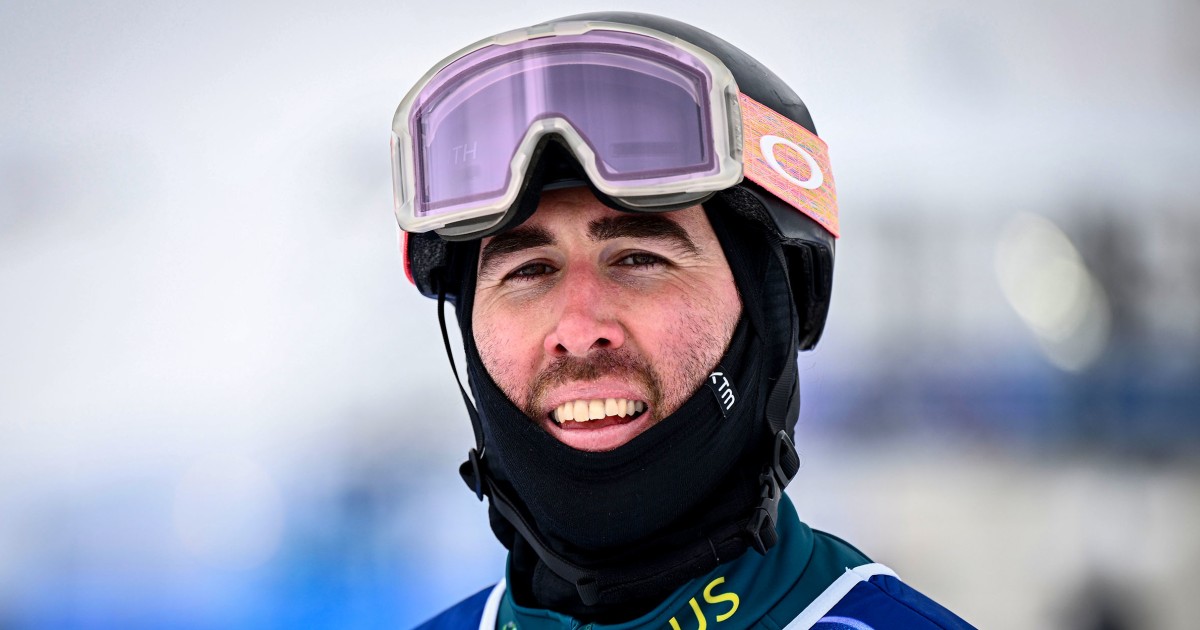
Winter Olympics: Cam Bolton's Neck Fracture Highlights Athlete Risks
The Winter Olympics represent the pinnacle of athletic achievement, a stage where dreams are forged and shattered in equal measure. But beneath the dazzling lights and gravity-defying stunts lies a stark reality: the inherent danger of high-performance winter sports. This year, Australian snowboarder Cam Bolton's severe neck fracture during a training session served as a sobering reminder of these risks, prompting many to ask:
Who broke their neck in the Olympics this time? Bolton’s incident underscores the incredible courage and vulnerability of athletes pushing the limits of human capability, forcing a wider conversation about safety protocols and athlete welfare.
The Unforeseen Setback: Cam Bolton's Olympic Dream Derailed
Cam Bolton, a veteran of four Winter Olympics and a seasoned competitor in snowboard cross, was poised to make his mark at the Milano Cortina Games. However, his journey took an unexpected and dangerous turn during a training session in Livigno. The 35-year-old suffered a fall that, initially, seemed less severe. He reportedly walked away from the crash, a testament to his toughness and perhaps the adrenaline masking the true extent of the damage.
The true gravity of the situation became painfully clear the following day when Bolton awoke with significantly worsening neck pain. Subsequent scans at the Olympic Polyclinic revealed not one, but *two* neck fractures. This immediate diagnosis necessitated an urgent airlift to a hospital in Milan for further specialized assessment and treatment. Despite the severity of his injury, the Australian Olympic Committee (AOC) confirmed that Bolton was in stable condition and, remarkably, in good spirits, supported by his wife and the dedicated medical team. Team chef de mission, Alisa Camplin, praised the level of care and communication, highlighting the comprehensive support system immediately activated for the injured athlete.
More Than Just a Fall: The Delayed Diagnosis Dilemma
Bolton's experience of initially walking away from a crash only to discover serious fractures hours later is a critical aspect of his story. It brings to the forefront the challenges of diagnosing concussions and spinal injuries, where symptoms may not be immediately apparent. Adrenaline, the cold environment, and the athlete's sheer determination can often mask pain and other indicators of severe trauma. This delay in symptoms can be incredibly deceptive, leading to potentially life-threatening consequences if not properly monitored.
Medical protocols in high-impact sports now emphasize thorough post-crash evaluations, even if an athlete appears fine. The "walk-away" scenario, while seemingly positive at first glance, often requires a heightened sense of caution and immediate medical observation to rule out latent injuries. Bolton's case serves as a powerful illustration of why vigilant medical oversight, follow-up scans, and a conservative approach to athlete re-entry are absolutely essential. For a deeper dive into this crucial aspect, explore
Cam Bolton's Olympic Injury: The Delayed Diagnosis of Neck Fractures.
The Pervasive Risks: A Harsh Reality for Winter Olympians
While Cam Bolton's neck fracture is a significant headline, it's crucial to understand that his injury was not an isolated incident for the Australian team, nor is it unusual in the broader context of the Winter Olympics. Team chef de mission Alisa Camplin candidly acknowledged the inherent dangers: "Unfortunately with winter sport injuries happen along the way, in 53 athletes doing relatively high risk sports it’s not something that’s unusual I’m afraid to say. My heart breaks on their behalf – I know how much work goes into an Olympic dream."
Indeed, the Milano Cortina Games saw several other Australian athletes facing injury setbacks:
- Laura Peel: A medal favourite in aerials, she sustained a knee injury during a pre-Olympic training camp.
- Daisy Thomas: The young freeskier also injured her knee in a fall, withdrawing from slopestyle but holding onto hope for big air.
- Misaki Vaughan: A snowboard halfpipe rider, Vaughan was ruled out of her Olympic debut after failing a head injury assessment following a training fall, activating strict concussion protocols.
These incidents paint a stark picture of the relentless physical toll and high stakes involved in these visually spectacular but inherently dangerous disciplines. Athletes push their bodies to the absolute limit, performing high-speed maneuvers, aerial tricks, and navigating challenging terrains, often in close proximity to competitors.
Understanding the Demands of Snowboard Cross
Snowboard cross is a particularly thrilling and chaotic event, which unfortunately contributes to its high injury rate. Athletes race simultaneously down a course featuring a variety of obstacles, including jumps, rollers, and banked turns.
- High Speed: Competitors reach speeds that demand split-second reactions.
- Aerial Maneuvers: Jumps are an integral part of the course, leading to high-impact landings.
- Physical Contact: Close proximity racing can lead to collisions, falls, and chain reactions.
- Varied Terrain: The course is designed to be challenging and unpredictable, adding to the complexity.
Each element, while making the sport exhilarating to watch, significantly elevates the risk of injury, from minor sprains to severe fractures and head trauma.
Athlete Welfare: The Unsung Heroes Behind the Scenes
The immediate and comprehensive response to Cam Bolton's injury highlights the critical role of athlete welfare programs within national Olympic committees. The AOC's prompt actions – from initial medical assessment on the mountain to helicopter transfer, specialist consultations in Milan, and ongoing psychological support – demonstrate a multi-faceted approach to caring for their athletes. Bolton's transfer from the hospital to a hotel in Milan, where he is now resting with the support of the Australian Olympic Team medical staff, further emphasizes this commitment to holistic recovery.
Navigating the Road to Recovery
For Cam Bolton, the immediate focus is on stabilization and determining the best course of action for his recovery. The Australian Olympic medical team is collaborating with local doctors and neuro specialists in Australia to outline the next steps for further assessment and treatment. Recovering from a neck fracture is a lengthy and challenging process, often involving immobilization, physical therapy, and a significant period away from high-impact activities. Beyond the physical healing, the emotional and psychological journey of an athlete dealing with a career-threatening injury is profound. The support provided by his family, teammates, and medical professionals will be vital in his path forward. More details on the initial aftermath and recovery can be found in this article:
Olympic Snowboarder Cam Bolton Breaks Neck in Training Crash.
Team Adaptations and Olympic Spirit
While Bolton's personal journey of recovery begins, the show, as they say, must go on. The AOC swiftly enacted the Late Athlete Replacement option, bringing Olympic debutant James Johnstone onto the team. Johnstone will now compete alongside Adam Lambert and Jarryd Hughes in the men’s snowboard cross qualifying. This quick adaptation speaks volumes about the depth of talent within national teams and the resilience required to maintain competitive readiness even amidst unforeseen challenges. It's a testament to the Olympic spirit, where individual dreams and team goals intertwine, demonstrating how athletes step up to fill crucial roles under pressure.
Conclusion
Cam Bolton's neck fracture at the Winter Olympics is more than just an unfortunate incident; it's a stark reminder of the sacrifices and risks inherent in elite-level winter sports. It highlights the profound courage of athletes who commit their lives to these demanding disciplines and the critical importance of robust medical and support systems. While the pursuit of Olympic glory pushes the boundaries of human performance, it also necessitates a continuous focus on safety, prompt medical intervention, and comprehensive athlete welfare. Bolton's journey to recovery will undoubtedly be a challenging one, but his resilience, coupled with the unwavering support of his team and family, embodies the very essence of the Olympic spirit. The question of "Who broke their neck in the Olympics?" reminds us that behind every breathtaking performance lies an immense human story of dedication, risk, and extraordinary resilience.